Supply Chain RedesignDesigned a cold chain network that keeps temperature-sensitive food products within 2–8 °C from origin to delivery while cutting cost, transit time and spoilage.
The Problem
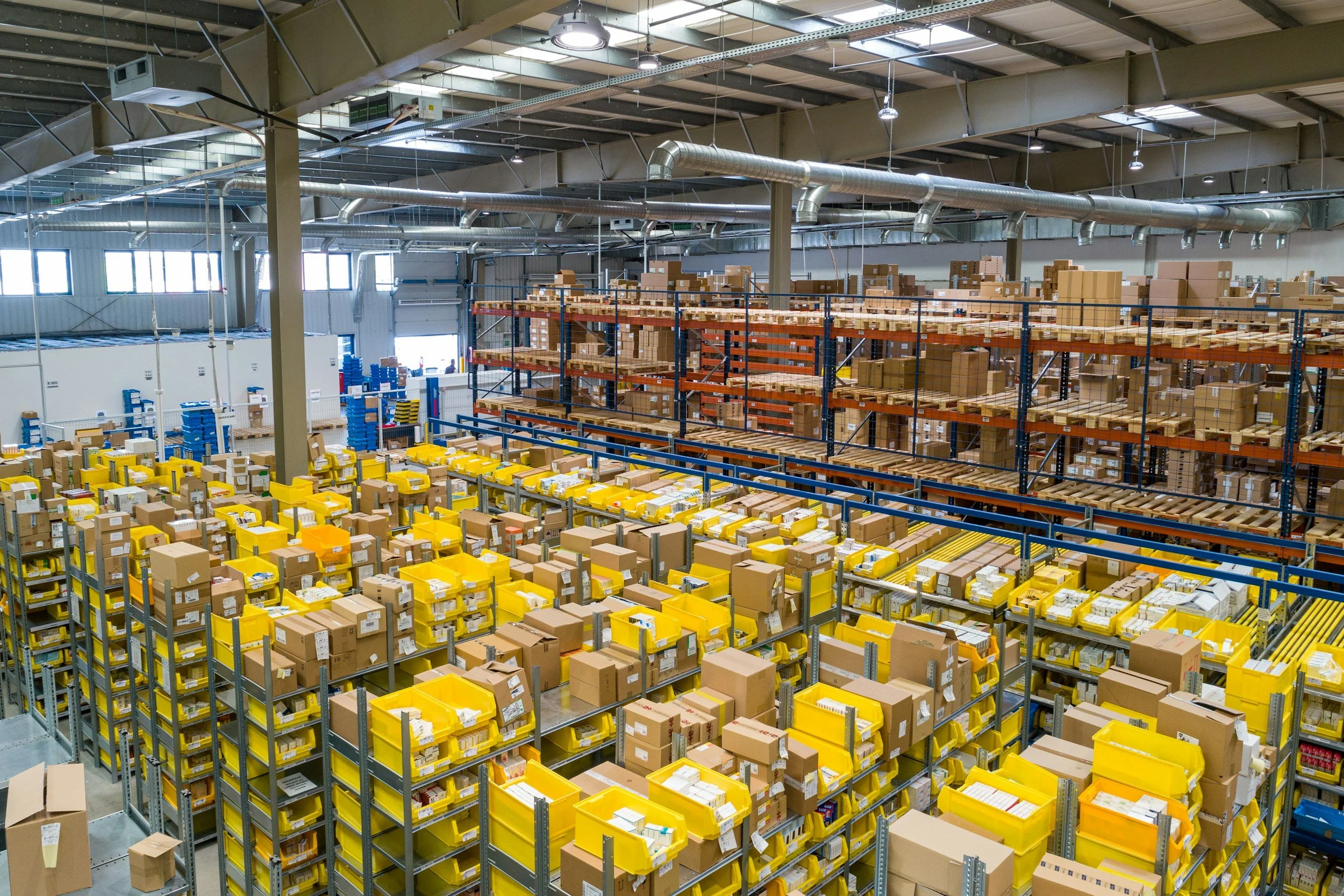
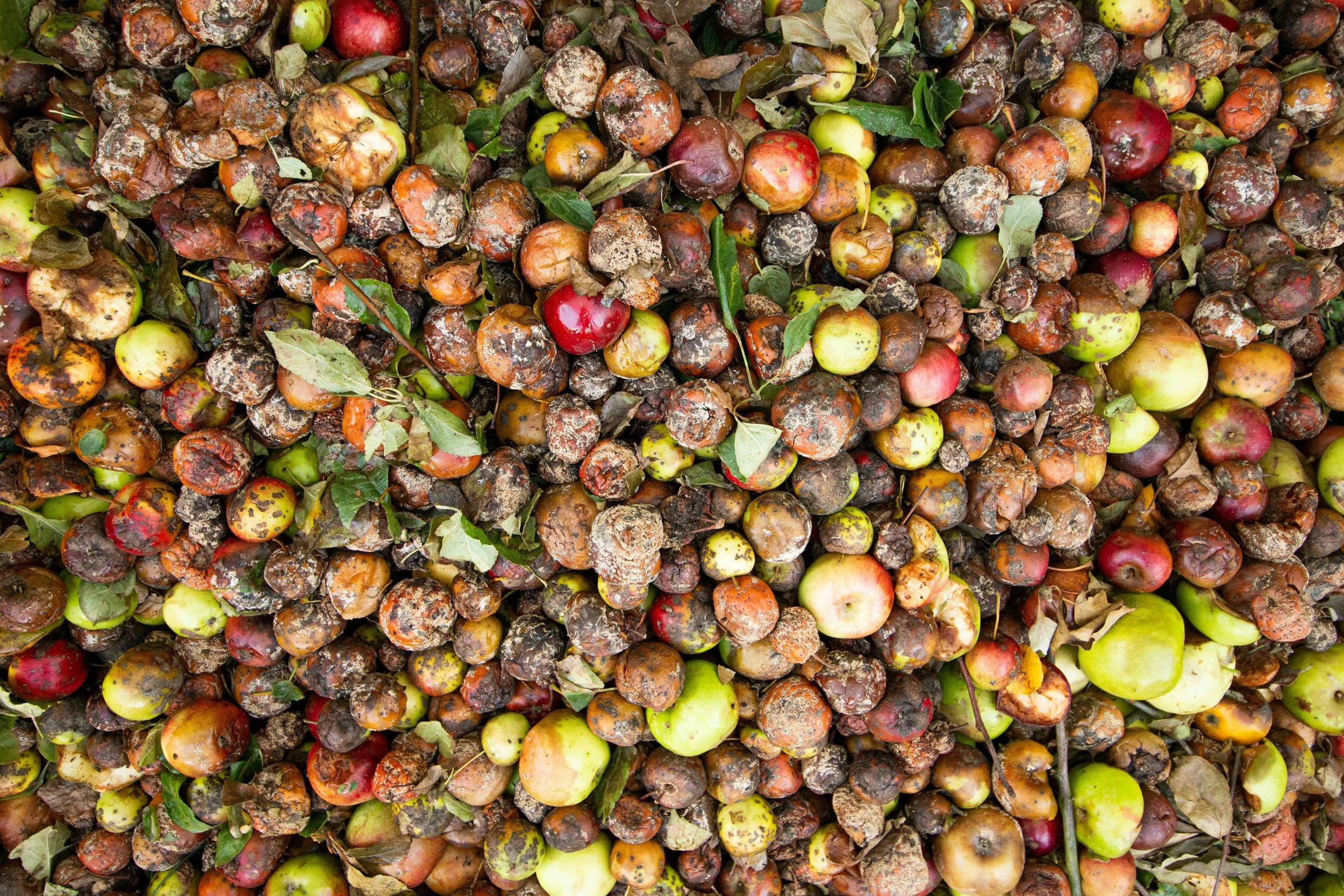
Perishable products loses value fast when they leaves their ideal temperature range, and every handoff is a risk point. Logistics hubs needed new lane designs, fewer temperature excursions, lower packaging cost and better monitoring. The challenge was balancing speed, cost, and temperature control across multiple nodes.

The Process
Mapped the current chain from origin to destination, logging dwell times and temperature exposure at each handoff.
2. Found the weak points: e.g., loading dock dwell, last-mile transfer, packaging that failed in summer heat.”
3. Modeled and tested options such as routing changes, packaging redesign, staging cold rooms, sensor placement and compared them on cost, risk, and transit time
The Solution
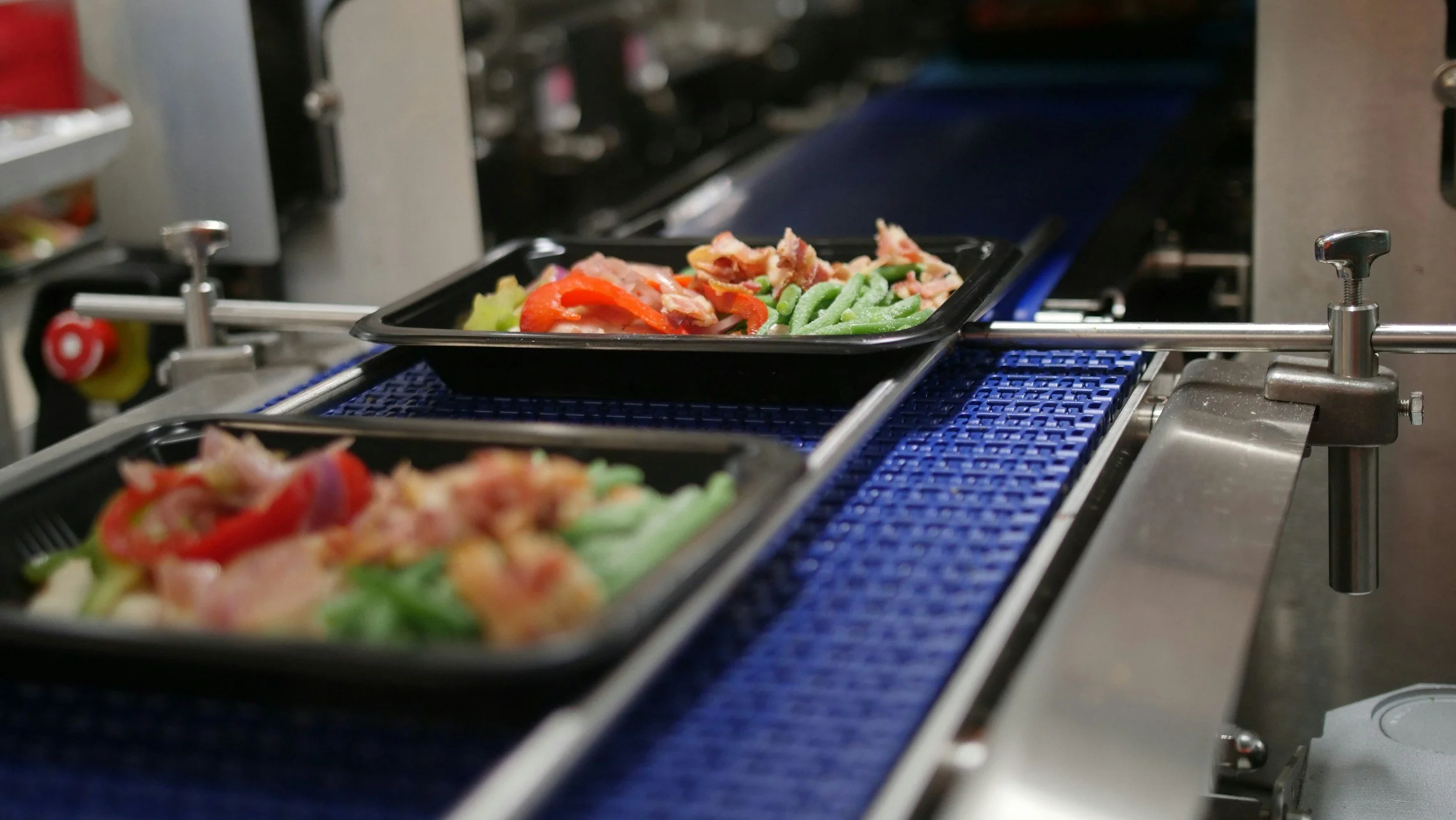
“I rerouted perishables through a regional cold hub, introduced a two-season phase-change packout qualified for 72 hours, and a 15-minute dock dwell limit, and real-time sensors with an excursion protocol. Modeled results: 14.7% fewer excursions at 10.9% lower cost per shipment.””
The Impact
14.7 %
Temperature Excursion Decrease$3Mil
Saved in Annual Operating Costs
8.9 hrs
Saved in Transport Time
The Reflection
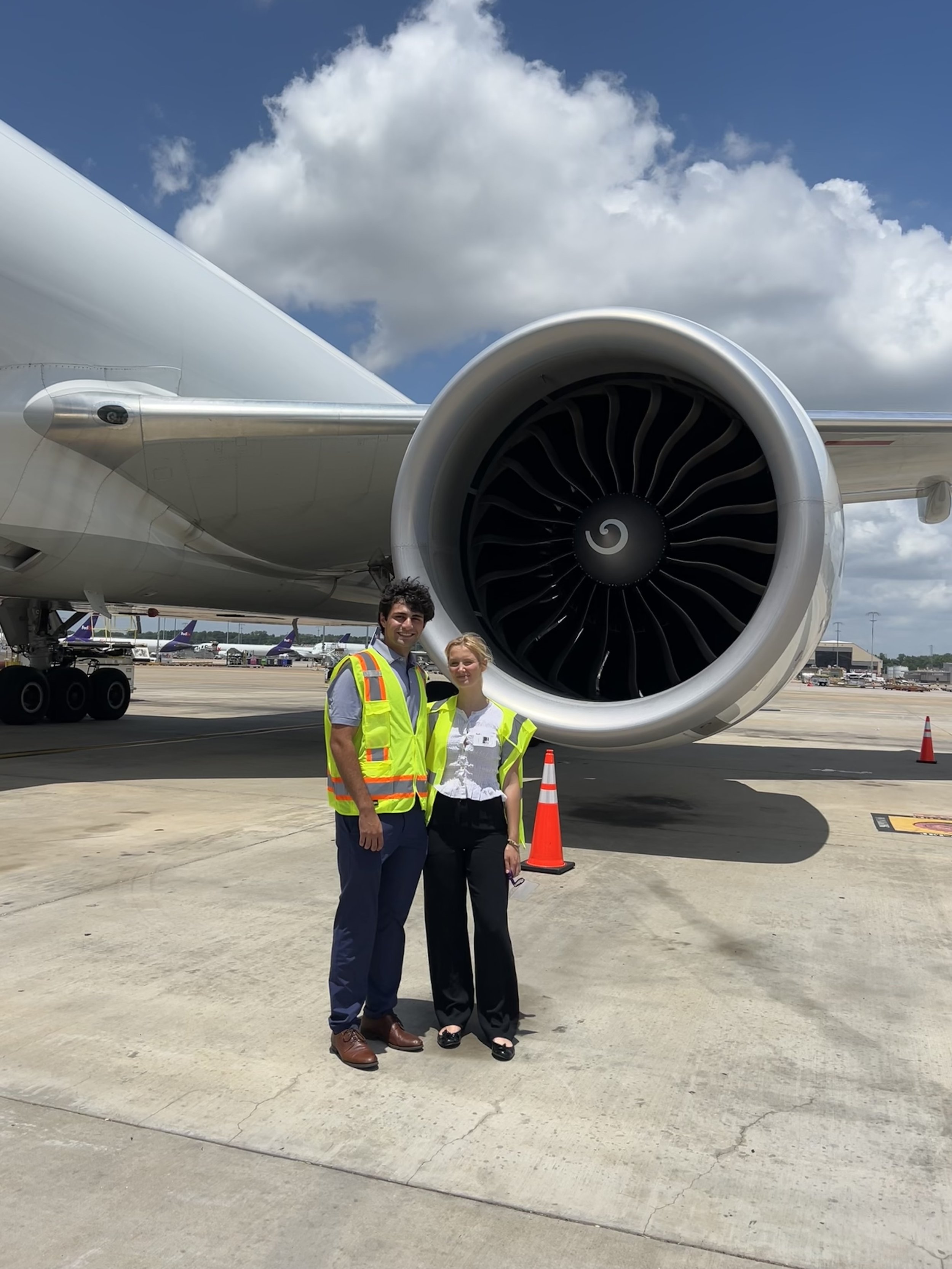
Working on this cold chain project changed how I see engineering. I came in thinking of logistics as moving boxes from one place to another. I left seeing it as a living system, where every handoff, dock, and packaging choice decides whether a product arrives safe or becomes waste. Behind every shipment is someone waiting on it, and it's genuinely moving to know my work helps get people the things they need, on time and at scale.
The biggest lesson was that safety is designed in, not inspected in. Our most effective ideas weren't heroic fixes after something went wrong. They were small, deliberate choices that made the safe outcome the default: limiting dwell time at transfers, matching packaging to the season, and giving every handoff a clear owner. When the system is designed well, people don't have to fight it to protect the product.
That idea pulled me toward sustainability. Every temperature excursion means wasted product, energy, packaging, and transport emissions, so designing a chain that protects the product also means designing one that wastes less. I realized that redesigning operations and supply chains is one of the most powerful ways an engineer can reduce environmental impact, because small improvements multiply across millions of shipments.
I also learned how much better design gets in a team. My teammates brought perspectives I didn't have, and our best solutions came from challenging each other's assumptions and building on each other's ideas. Working with them was the highlight of the project.
Now I want to bring this mindset to food manufacturing and consumer goods: designing processes, plants, and supply chains where safety and sustainability are built in from the start.