Municipal Water Monitoring
The Goal
Using real-time monitoring and hydraulic modeling to redesign how London moves water, so it delivers the same service with less pumping energy.

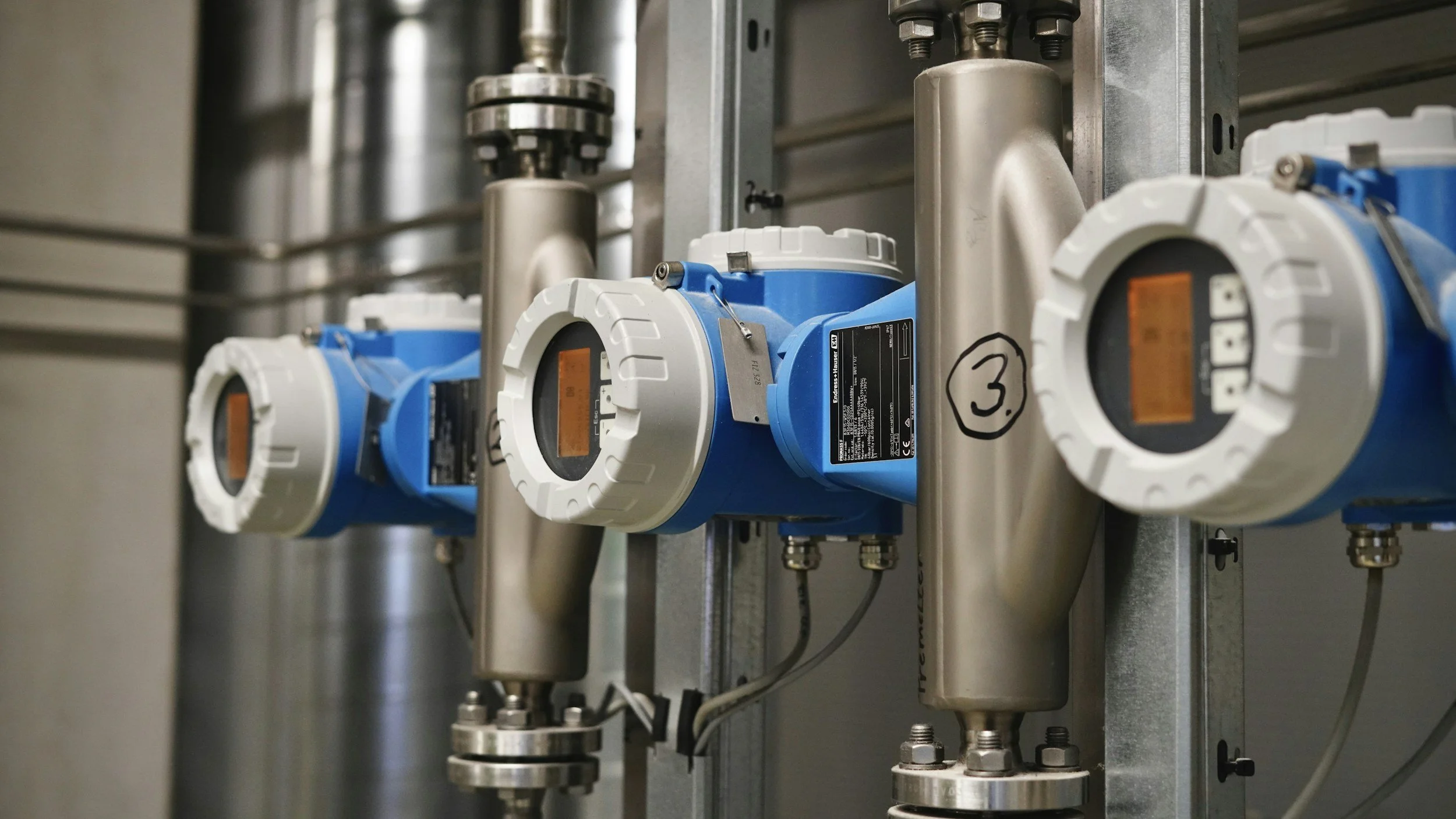
Our team deployed networked sensors and predictive maintenance models, enabling the utility to anticipate leaks and allocate resources efficientlyly.
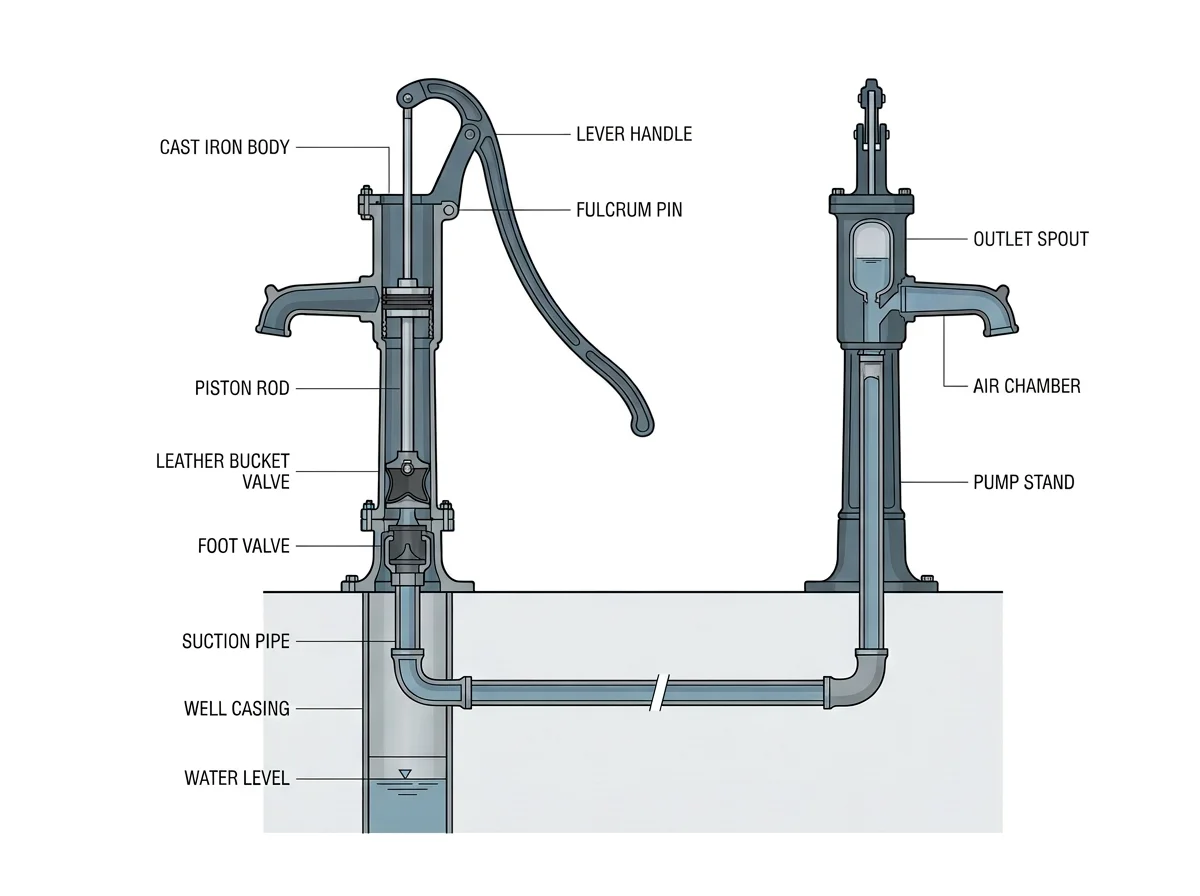
The Pipe in Question
The Process
1.Instrument the network. Place flow meters, pressure sensors at key nodes, and power meters on pumps, then close a mass and energy balance across the system.
2. Build and calibrate a hydraulic model in EPANET, using Darcy–Weisbach or Hazen–Williams friction losses, tuned until it matches the measured pressures and flows.
3.Find the losses. Compare each pump's actual operating point to its best efficiency point, flag throttled valves, map pipe segments with high head loss, and find zones where pressure is well above the service minimum.
4.Design the fixes. Test variable frequency drives, right-sized pumps, pressure zones with pressure-reducing valves, off-peak tank filling, and replacement of the worst pipe segments.
5.Evaluate each option in the model on energy use, pressure compliance, water quality (water age and chlorine residual), and cost
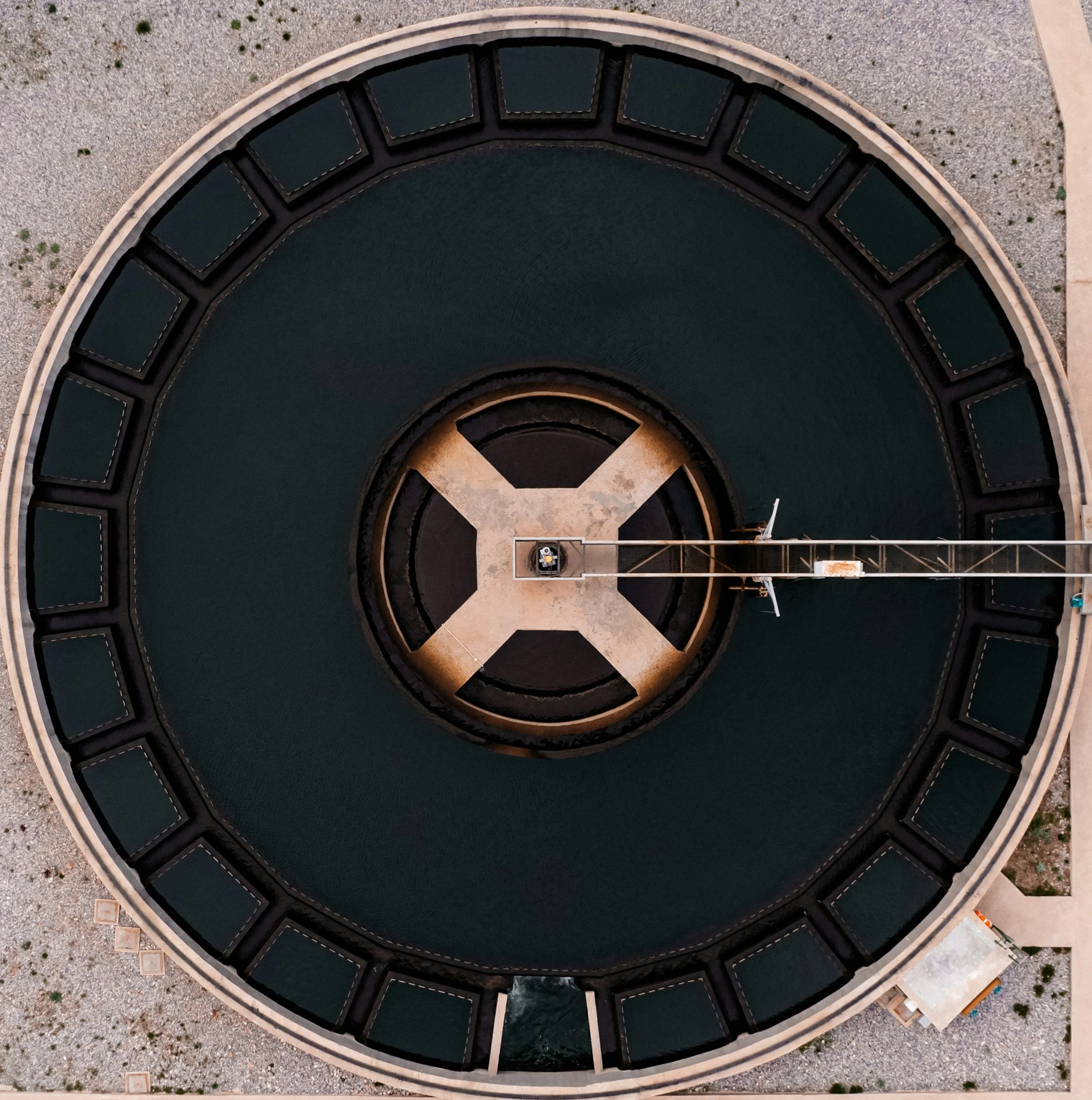
The Solution:
Variable frequency drives on the main pumps,
pumps running near their best efficiency point,
pressure zones,
smarter pump scheduling with storage,
targeted pipe replacement, real-time monitoring and control,
and a water quality guardrail.
The Impact
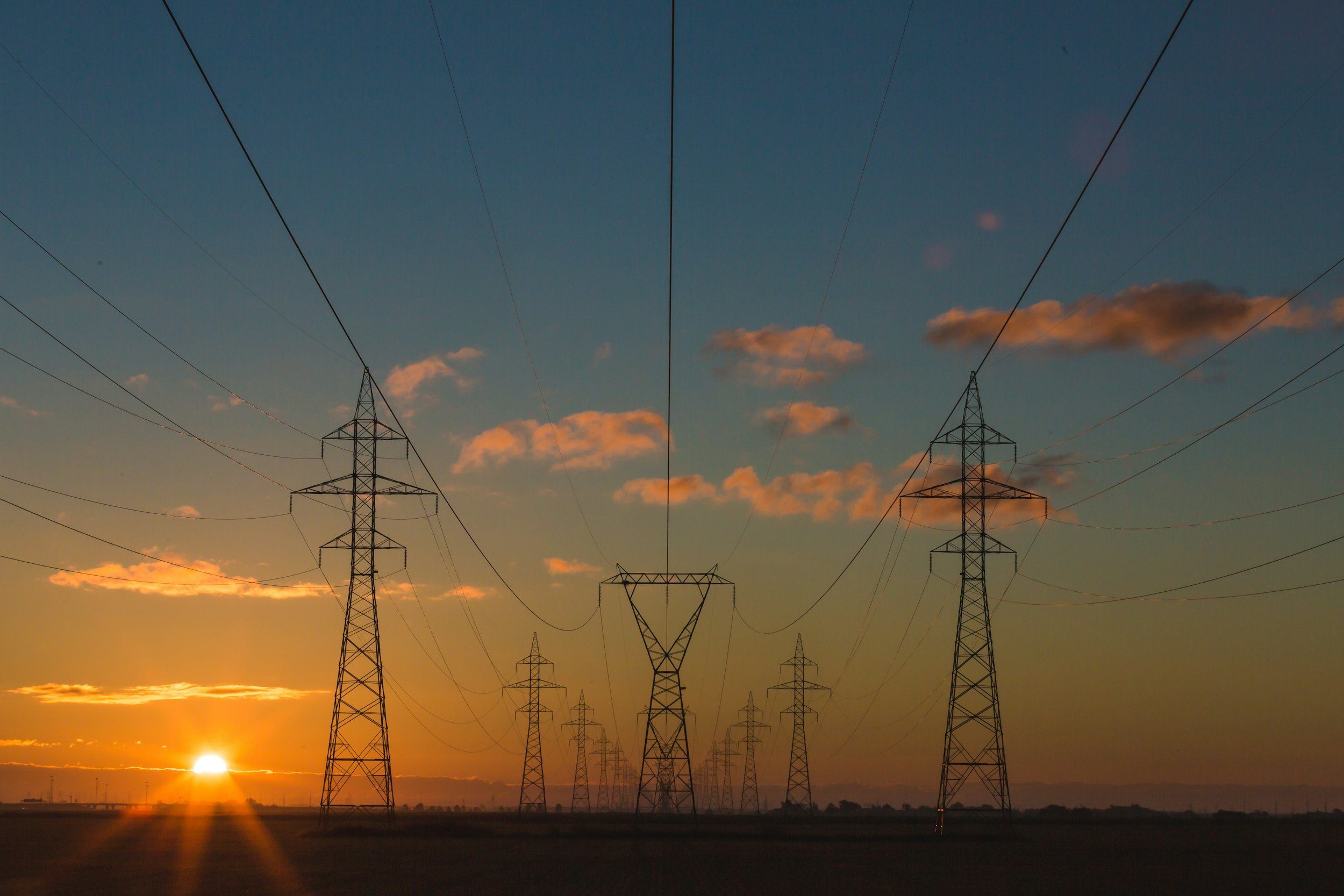
Lower pumping energy: 1.7% less electricity per million gallons delivered
Lower operating costs: 4.5 million GBP saved per year on electricity, with more pumping shifted to cheaper off-peak hours